Monday, January 28, 2013

Character Development BME for Primary Students

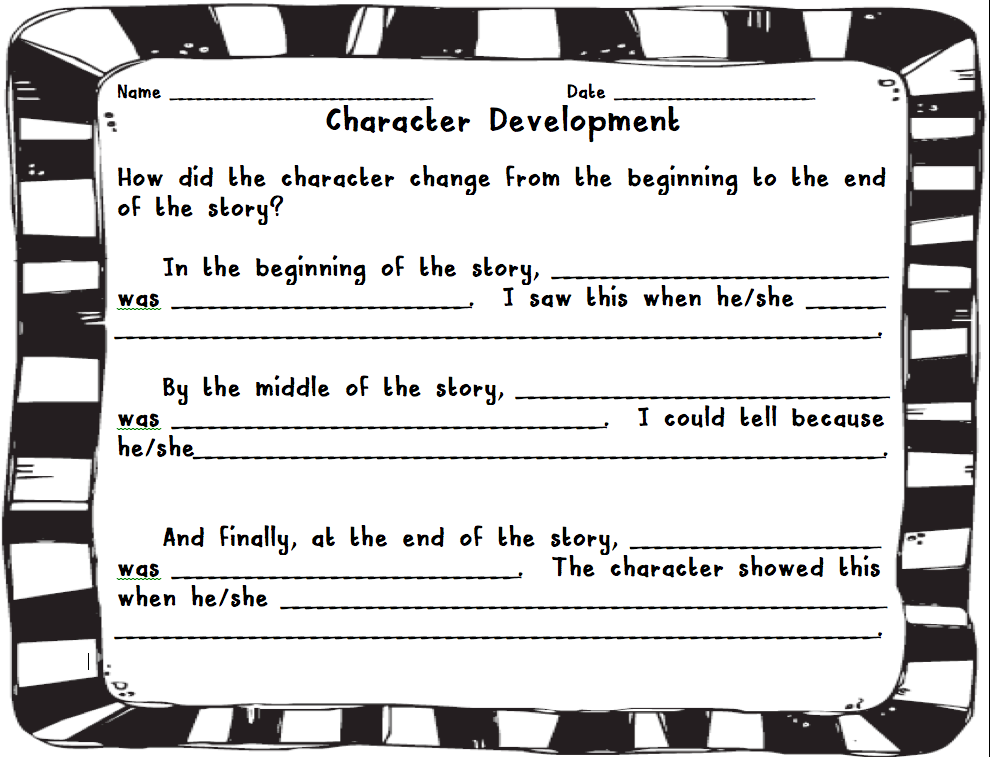
Today while planning with our second grade teachers, they expressed a couple of great points. First, they wanted to tweak the way we do 6-Minute Solution. Currently, we follow our district guidelines and use the program as an introduction. They mentioned they wanted to do it the first six minutes of differentiated instruction. Great idea! This way they can follow the readers a little closer, especially in their lower classes. Right now, if a student is very low, they can't correct any errors because they don't realize there was an error. The second thing they wanted to do was incorporate the Stamina initiative we have going on in the entire school! (Coaches, don't you just LOVE when this happens?!) So, in 2nd grade we are going to begin at 5 minutes of silent reading and they will follow the current Primary schedule of Stamina Fridays. Students will read the story they are normally reading, but silently, and then take their regular assessment after. Finally, I taught them the BME strategy (beginning, middle, end). I added one of our state's question stems-How does the character change from the beginning to the end of the story? I also wanted the kids to be able to back up their opinions with proof from the story. And, because we are really pushing writing in our school this year in every grade level,
I added a paragraph frame where kids will use their graphic organizers to complete it.
http://www.teacherspayteachers.com/Product/Primary-Reading-Character-Development-BME-Strategy

Magnified Moment Resources

I just updated a few of the resources I've created for Magnified Moments. The first one is the graphic organizer easy clues kids can incorporate to make their moment come to life.
Then, I updated the list of mentor texts I've used with students. They work in groups to read the text and then identify the skills the author used to make their writing memorable. Students are given the option to incorporate their favorite parts of the mentor text into their own pieces.
After, I created a cute chart for our teachers to post that have the steps of the Magnified Moment Brainstorming on it. I think if kids refer to it enough, they will eventually remember and of course use these steps when planning their own essays.
And finally, I even updated the instructional powerpoint we will use with our students. This powerpoint walks your class through each of the resources mentioned above, plus it adds a peer editing component and time for students to boost their own pieces.
If you would like the entire lesson, you can find it here: http://www.teacherspayteachers.com/Product/Writing-Magnified-Moment I will be updating the mentor paragraphs we will use as the "they do" in cooperative groups for our bellringer soon. :)

Friday, January 25, 2013

-et word family activity

Phew! It has been a very busy week! I'm very excited about our instructional review tomorrow. Our teachers' hard work and dedication will be in the spotlight. We've been doing some wonderful things at our school this year. I can't wait to see the reaction of our "higher-ups" when they see all of the amazing things we've been working on. :) Next week, we will focus on the -et word family in Kindergarten. I came up with a quick and easy resource to introduce it to our kids each day. Here is the link: http://www.teacherspayteachers.com/Product/Primary-Reading-The-et-Word-Family and, here is a small sampling:
I'll let you know how it works out.

Thursday, January 17, 2013

Mood Clues for Primary

This is my first year as our school's K-5 Literacy Coach. At first, I found it difficult to switch gears. I had only been an intermediate coach. But, I have to admit, I am REALLY enjoying the primary grades. This week, in the first grade, we planned our 2nd poetry unit. For the first one, we concentrated on rhyming words. For this unit, we will focus on mood. I never thought first graders could handle mood. But, thanks to the Common Core Standards, I learned differently. The standard states that a student will, "Identify words and phrases in stories or poems that suggest feelings or appeal to the senses." We decided to focus on feelings. For our introduction, we will use the "How Are You Feeling?" chart you can find in a counselor's office. Here is a copy:
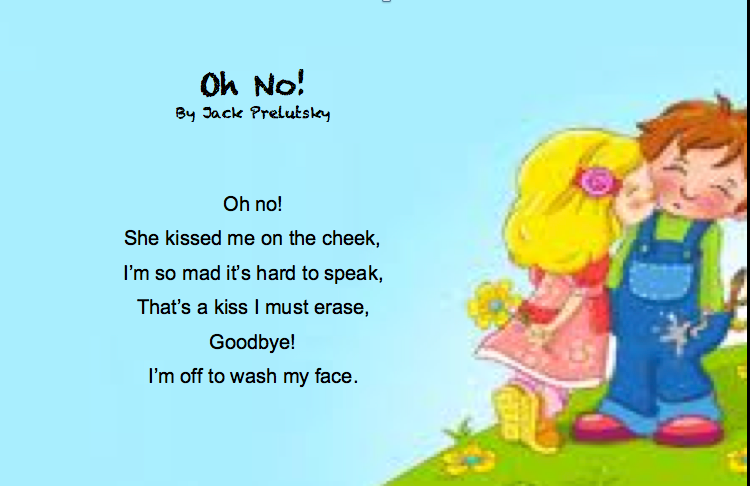
The poetry included with our pacing guide really didn't convey any type of feeling. They were the typical poems you see for younger kids. So, I pulled about 10 poetry books for young children and began looking for poems that expressed different types of moods and that our first graders could actually read or read with some assistance. I chose 6. We are going to have the kids put each of the poems in their own poetry books. Here is one:
Then, I created a checklist for the students to use to help them identify the mood of the poem. The rubric includes simple drawings to help them remember what each word means. I also created the rubric so that the easiest clue was at the top, to build confidence. And finally, I added two questions to to the checklist.
I can't wait to see our teachers in action using the checklist with our students! I also can't wait to watch our kids go to town identifying the various moods of the poems. You may find the checklist in my TPT store: http://www.teacherspayteachers.com/Product/Mood-Clues-for-Primary-Students What strategies do you use to help your primary students understand poetry better?

Monday, January 14, 2013

Show Not Tell Sort

Writing activities are not easy to come by. Here is a great way of teaching Show Not Tell to your students by letting them discuss various examples and compare then to boring statements kids typically write. I used this recently and the kids had lots of fun and could easily incorporate the skill into their own essays. Check it a portion of it here or you can get the entire sort on my TPT site: http://www.teacherspayteachers.com/Product/Show-Not-Tell-Sort

Sunday, January 13, 2013

Ongoing Progress Monitoring System

I am currently a Literacy Coach in a fantastic urban school; however, when I was brought in 4 years ago, it was struggling. When I arrived, it was an "F" school. Right now, we are a rising C! Over the years, I have created and adjusted our intervention systems to meet our students' ever-increasing data. We have moved from 1 minute fluency checks to increasing stamina. As a coach, the best lesson I can share is to make sure you have a system in place to address intervention and ongoing progress monitoring. Without a system in place, there will be no monitoring. Inspect what you expect. Here is a sample of our school's latest system.
We have Teacher/Interventionist data chats every six weeks. I noticed that teachers and interventionists just don't meet to discuss their data points. The reasons are varied, but for the most part, they don't have the time to formally meet. So, we arranged for this to take place on Wednesday afternoons. Each grade level meets with their corresponding interventionist. Administration, coaches, the school counselor, and social worker attend. We have any forms needed on hand to be sure that there are no excuses as to why paperwork isn't completed. Each person fills it out on the spot. We discuss each type of intervention, differentiated instruction, any new data, behavior, and attendance. We also review previous action steps to be sure students do not fall through the cracks.
What systems do you have in place for RTI? You may purchase the entire system on my Teachers Pay Teachers site: http://www.teacherspayteachers.com/Product/Ongoing-Progress-Monitoring-System-and-Trackers

Wednesday, January 9, 2013

Ongoing Progress Monitoring

In our school, we have systemized our Ongoing Progress Monitoring (OPMs) system. We OPM every two weeks. These are based on the students' data. For the most part, our OPMs are done for phonics in grades K-5. We want to make sure kids do not fall through the cracks. But, next week we will be OPM-ing fluency using a passage that contains many of the FRY words our kids should know by now. In first grade, they will read the entire passage in one minute, or at least 60 words in that minute. I chose a passage rather than a list of words because we need to see if they can read the words in the text and not just in isolation. I also added 4 questions to the passage to assess comprehension. We started doing this after each story our kids read, so this shouldn't be a problem for most of our students. Once we have the data back, plan more effectively for differentiated instruction and really hone in on the needs of the students. If a student cannot read the words in the passage, we will administer another OPM using the words in isolation to see if the issue is reading in context or if she does not know the words. If a student is reading below the 60 words per minute, we will address speed. And, if the student can read the passage close to or at the target level, but cannot answer the comprehension questions, then we will teach fix it strategies so the student will remember what they read. OPMs are an extremely important part of our literacy program. Do you OPM? What systems do you use to collect this data?